Forget the stereotype. A teleprompter isn't a crutch — it's a professional tool that every polished Arabic creator should have in their setup. Here's why.
There’s a persistent myth in the creator community: that using a teleprompter is somehow cheating. That “real” creators speak freely, off the cuff, with no script in sight. That’s a useful myth if you’re trying to keep your production costs low. For professional Arabic content, it’s just wrong.
The Arabic Script Problem
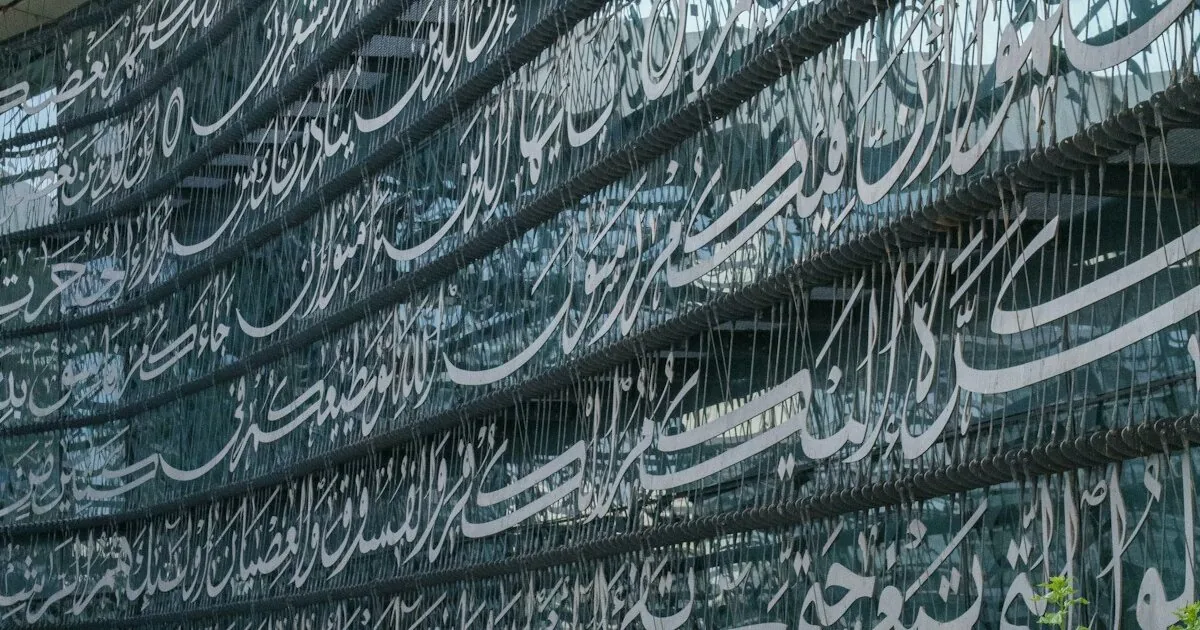
Every spoken language has a written form. Arabic has several. There’s Modern Standard Arabic (الفصحى), used in formal broadcasting and journalism. There’s your regional dialect — Gulf, Levantine, Egyptian, Moroccan — which sounds natural and human but may not reach your full audience. There’s a deliberate mix of both, which most successful Arabic YouTubers use.
Getting that register right, on camera, without preparation, consistently across 10, 20, or 50 videos? That’s not improvisation. That’s a script. A script you’ve thought through, edited, and refined. The teleprompter just delivers it.
What a Teleprompter Actually Fixes
Missed information. If you’re teaching a tutorial, presenting a product, or covering a topic with specific facts, forgetting key details mid-take costs you time in re-records or accuracy in the final video. A teleprompter delivers your complete, reviewed information in order.
Eye contact. The hardest thing to fake in video is genuine eye contact with the lens. When you’re reading notes off-screen, your eyes drift. A teleprompter positioned at or near the lens keeps your gaze natural.
Consistent delivery. The tenth take of a scene never sounds as genuine as the first. A teleprompter gets you to a good take faster, while you’re still present and energetic.
RTL layout. Most teleprompter software was built for English. Arabic text in left-to-right layouts breaks ligatures, renders vowel marks incorrectly, and scrolls the wrong direction. Our Arabic Teleprompter handles all of this natively.
The Professionalism Argument
Watch any news broadcast from Al Jazeera, Al Arabiya, or Sky News Arabia. Every anchor is reading from a prompter. Every news package, documentary segment, and produced video uses pre-written script. The output feels professional precisely because the words were chosen carefully in advance.
The distinction between “authentic” and “scripted” is a product-of-Instagram-culture myth. The most authentic thing a creator can do is show up prepared, deliver their message clearly, and respect their audience’s time.
But What About Natural Speech?
The goal isn’t to eliminate personality — it’s to preserve it. A good teleprompter script is written the way you speak. Short sentences. Direct language. The rhythms and vocabulary of your own voice, written down and refined. Then delivered at your own pace, with your own reactions and instincts intact.
Improvisation fills in the gaps. The laugh when you stumble over a word, the genuine surprise at a comment from behind the camera, the ad-lib response to something that just happened — those moments happen around the script, not instead of it.
Getting Started
You don’t need a $5,000 rig. Start with a free teleprompter, a phone, and a tripod. Write a 3-minute script for your next video. Read it through twice. Film it. The difference in delivery quality is usually obvious in the first take. For a step-by-step walkthrough, see our guide to using an Arabic teleprompter for YouTube.
The Arabic Teleprompter at alsheikhmedia.com is free, private, offline-capable, and built with native RTL support. No sign-up, no data collection, no watermark. Try it once and see if you ever go back.